Medicinal Uses of Elderberry Plants
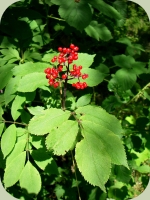
Elderberry plants in the northwest include the blue elderberry (Sambucus nigra) and and the red elderberry (Sambucus racemosa). They have been used for generations by the native people of the Pacific Northwest as both powerful medicine and vitamin-packed food supplements.
The blue elderberry is found primarily on the eastern side of the Cascade Mountains, along roadsides running next to rivers and streams. The red elderberry finds the western side of the mountains to be a more hospitable place to reside. You will notice this luscious plant glowing red in forests and along shady roadsides late in the summer.
Nowadays, due to ease of travel, people generally use the blue elderberry for most of their needs, though the red elderberry was a highly useful and important source of food and medicine to the native people of the Northwest coast.
Be More Prepared For Your Next Outdoor Adventure!
Don't leave home without knowing these six essential survival skills. Our free survival mini guide reveals the strategies of:
- Shelter & fire to prevent the number one cause of death
- Obtaining clean water to avoid life-threatening dehydration
- Common wild survival foods and other critical skills!

The blue elderberry plant has been a good friend to me. I love to have the dried flowering tops close at hand when I begin to feel the onset of a cold setting in. I grab a handful of the flowers (delicate small white petals with soft fairy-like pollen), place them gently into a tea strainer, and pour boiling water over top and cover for 10 minutes or so. I will usually add peppermint and sometimes yarrow, an old folk remedy for colds, to this concoction and drink it 3 times a day.
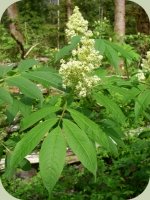
Both the blue and red elderberry have edible berries rich in vitamins A & C. The blue tends to have a more pleasant flavor. I collect the fresh purplish blue berries late in the summer and cook up a great batch of blue elderberry pancakes the next morning.
I have never tried my hand at wine making, but I have many friends who will make a special trip over the mountains to harvest pounds of the berries just for this purpose. The blue elderberries also make a yummy syrup that can be used on top of pancakes at breakfast or ice cream at dessert.
Cautions Regarding Red Elderberry Plants
When preparing berries from the red elderberry be sure to cook them first, as they may cause nausea when raw. Also, the stems, bark, leaves, and roots contain a cyanide-producing glycoside and should be avoided.
For more information and suggested uses of the elderberry I recommend cross-referencing with Pojar & Mackinnon's book: Plants of The Pacific Northwest Coast, as well as Andrew Chevallier's book: Encyclopedia of Herbal Medicine.
Enjoy Elderberry!
By the way, when you're out foraging for wild plants and mushrooms, it's important to know how to stay safe in the outdoors, especially if you were to get lost. Right now you can get a free copy of our mini survival guide here, where you'll discover six key strategies for outdoor emergencies, plus often-overlooked survival tips.
Recommended Resources:
Check out our Wild Edible & Medicinal Plants Courses
Read more about elderberry plants at LearningHerbs.com

About the Author: Kristi Dranginis is an experienced naturalist, herbalist, educator, and ornithologist. She has written articles for the Alderleaf website. Learn more about Kristi Dranginis.
Return from Elderberry Article back to Wild Plants Articles
Is The Essential Wilderness Survival Skills Course Right for You? Take the "Online Survival Training Readiness" Quiz
See for yourself if this eye-opening course is a good fit for you. It takes just a few minutes! Get your Survival Training Readiness Score Now!
Grow Your Outdoor Skills! Get monthly updates on new wilderness skills, upcoming courses, and special opportunities. Join the free Alderleaf eNews and as a welcome gift you'll get a copy of our Mini Survival Guide.
 The Six Keys to Survival: Get a free copy of our survival mini-guide and monthly tips!
Learn more
Wait. Before you leave...
Don't forget your Survival Mini Guide.
It's free.
Be more prepared for your next outdoor adventure! Discover six essential survival skills. Join our newsletter and get a free copy of the guide as a welcome gift!
Your privacy is our top priority. We promise to keep your email safe!