Bird Calls: Identifying and Interpreting Bird Behaviors
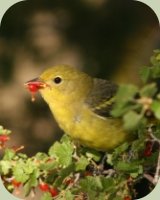
Bird calls and behaviors often communicate a wide range of valuable information in the outdoors. Hunter-gatherers all over the world understood how to interpret this "langauge of the birds" to help them avoid dangerous predators and find food. People can learn to interpret many of these vocalizations and displays.
In this section of the online library you will discover a variety
of articles relating to birds and how to identify and interpret their
calls and behaviors. You can peruse the articles below, and if you'd
like to receive free articles once a month to your email address, you
can sign up to the
Alderleaf eNewsletter.
Articles on Bird Calls, Bird Behaviors, and Birding Skills:
Winter Birding in the Pacific Northwest
Winter is an amazing time to be out observing birds. With the leaves
down, birds are easier to view. It is also a time when additional
species show up, our winter resident birds...
(read more)
Hummingbird Migration
They are our smallest, most maneuverable, and most vividly colored birds
in North America.There are many amazing things about the natural
history of hummingbirds, but perhaps...
(read more)
How to Draw Birds for a Naturalist Journal
Learning how to draw birds is an excellent tool for getting to know them
better. Long before photography existed, naturalists have been drawing
wildlife.
(read more)
Using Bird Sounds to Locate Animals
Bird calls and behaviors can be used to help locate hidden animals on
the landscape. Whether it is a bobcat camouflaged into a thicket, an owl
sleeping high in a dense tree...
(read more)
Identifying Backyard Birds
Identifying backyard birds is a great start towards becoming a
proficient birder in any habitat. Its easy to put up a bird feeder and
start observing the species that stop by to eat.
(read more)
Identification of Wild Birds
Of all the wildlife out there, birds are some of the most fascinating
and most easily observed. Their amazing colors and patterns, as well as
their interesting behaviors...
(read more)
Sharp-shinned Hawk and Coopers Hawk: Agile Aerial Acrobats
The sharp-shinned hawk and Coopers hawk are a common and exciting part
of the ecology of many suburban parks, woodlands, and neighborhoods.
These two...
(read more)
Free Birdhouse Plans: Build One Today!
If you love birds, then try building a birdhouse using the free birdhouse plans available here!
(read more)
Bird Communication: An Introduction
Just what is this idea of bird communication? Imagine for a moment,
that you are strolling down a boardwalk through a cattail marsh in your
local wetland. It is springtime, and many bird voices fill the...
(read more)
Black-Capped Chickadee
Fun-loving, bold and vocal the black-capped chickadee is known and loved
by many. But, did you know that they have one of the widest ...
(read more)
Bird Feather Identification
Have you ever wanted to know how to find more information on bird
feather identification? Imagine walking in a wild or not-so-wild place
and finding..
(read more)
Hummingbird Habitat
Getting to know hummingbird habitat can help you to better understand these living jewels.(read more)
Bird Behavior: Observing Herons
The study of bird behavior is a rich and rewarding field, and can lead to very exciting wildlife encounters.(read more)
Bird Language: Understanding the Fundamentals
Learning bird language is a skill accessible to anyone.(read more)
Bird Identification
Learn key tools for bird identification including how shape, size, color and habitat can help you quickly identify species. (read more)
Check out this great article, Bird ID Skills, from AllAboutBirds.com
Learn about Wildlife Courses at Alderleaf
Return from Bird Calls Articles back to the Alderleaf Home Page
Is The Essential Wilderness Survival Skills Course Right for You? Take the "Online Survival Training Readiness" Quiz
See for yourself if this eye-opening course is a good fit for you. It takes just a few minutes! Get your Survival Training Readiness Score Now!
Grow Your Outdoor Skills! Get monthly updates on new wilderness skills, upcoming courses, and special opportunities. Join the free Alderleaf eNews and as a welcome gift you'll get a copy of our Mini Survival Guide.

 The Six Keys to Survival: Get a free copy of our survival mini-guide and monthly tips!
Learn more
Wait. Before you leave...
Don't forget your Survival Mini Guide.
It's free.
Be more prepared for your next outdoor adventure! Discover six essential survival skills. Join our newsletter and get a free copy of the guide as a welcome gift!
Your privacy is our top priority. We promise to keep your email safe!